


By keeping track of the latest industry developments, we are engaged in offering a wide range of Alkyl Phenolic Resins that are commonly used in rubber industries. The offered resins are processed using the finest grade chemical compounds and modern technology in accordance with the set industry standards. The offered resins are also verified on various quality parameters to ensure their premium quality. Moreover, our offered resins can be availed by our clients at effective cost
Alkyl Phenolic Resin Features:
| Sr. No | Grade No. | Description |
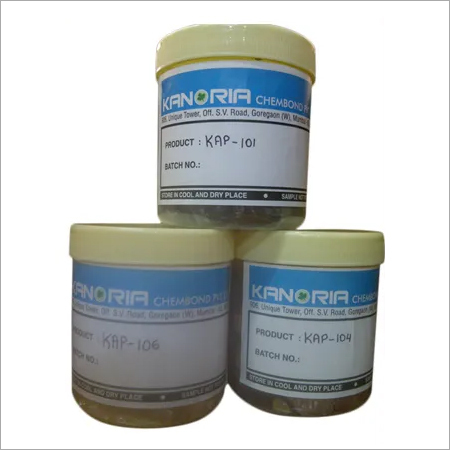
| 1 | KAP-101 | Alkyl Phenol Formaldehyde Resin Used in Neoprene Rubber Based Adhesive |
| 2 | KAP-102 | Used to Gain Improvement in Chemical & Physical Properties of Butyl Rubber Resulting from Sulfur Vulcanization |
| 3 | KAP-103 | Useful to Produce Highly Viscous Unvulcanized Rubber Mixtures for Manufacturing Tyres, Remoulding Material, Conveyor Belts, Lining Material, etc. |
| 4 | KAP-104 | Alkyl Phenol Formaldehyde Resin Used in Neoprene Rubber Based Adhesive |
| 5 | KAP-106 | Alkyl Phenol Formaldehyde Resin Used in Neoprene Rubber Based Adhesive. It has high heat resistant properties |

Price:
Price Range 120.00 - 160.00 INR
Minimum Order Quantity : 500 Kilograms
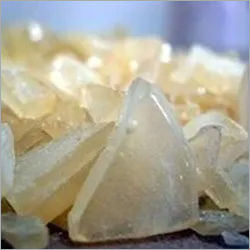
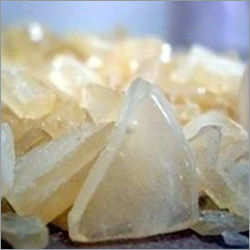
Color : Yellow to Light Brown
Application : Adhesives, Rubber Industry, Coatings, Paints, Inks
Purity(%) : 99%
Type : Other, Solid Alkyl Phenolic Resin
Price Range 120.00 - 160.00 INR
Minimum Order Quantity : 500 Kilograms
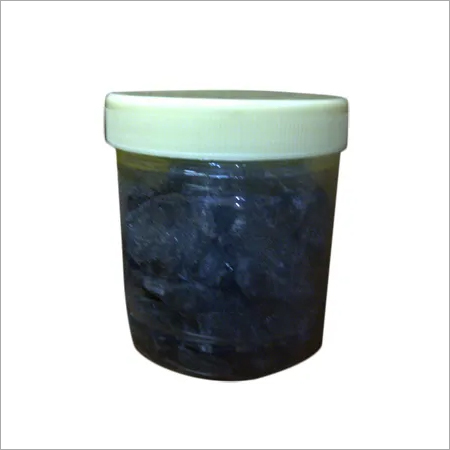
Color : Brown
Application : Adhesives, Rubber Compounding, Coatings, Paints
Purity(%) : 98%
Type : Other, Alkyl Phenolic Resin
Price Range 120.00 - 160.00 INR
Minimum Order Quantity : 500 Kilograms
Color : Yellow to Light Brown Granule
Application : Coating Industry, Paint, Paint Auxiliaries, Printing Ink, Varnish
Purity(%) : 99%
Type : Other, Phenolic Alkyl Resin
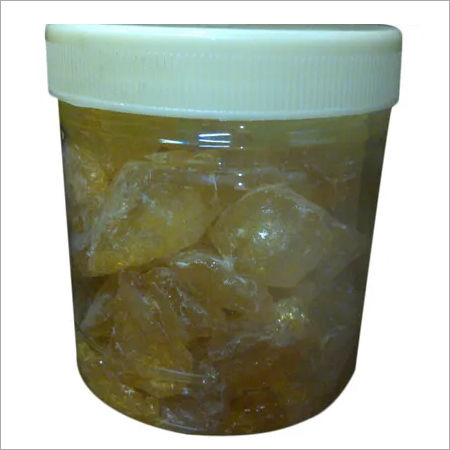
Price Range 120.00 - 160.00 INR
Minimum Order Quantity : 500 Kilograms
Color : Brown
Application : Adhesives, Coatings, Rubber Compounding, Paints
Purity(%) : 99%
Type : Other, Alkyl Phenolic Resin


 |
KANORIA CHEMBOND PVT. LTD.
All Rights Reserved.(Terms of Use) Developed and Managed by Infocom Network Private Limited. |

 Send Inquiry

 Send Inquiry
